Creating a relaxing home workspace is essential for staying productive and comfortable, especially as remote work becomes more common. A well-designed environment can help reduce stress, improve focus, and make your work hours more enjoyable. In this post, we’ll explore practical tips to help you set up a peaceful and efficient workspace right at home.
Why a Relaxing Workspace Matters
When your workspace feels cluttered or uncomfortable, it can cause distractions and lower your motivation. A relaxing workspace, on the other hand, supports mental clarity and creativity by minimizing stress and physical strain. This balance of comfort and functionality creates an inviting environment that encourages you to work smarter and feel better during your day.
Choose the Right Location
Find a Quiet Spot
Start by selecting a space where you can concentrate with minimal interruptions. Avoid busy areas of your home like the kitchen or living room when possible. A quiet corner, spare room, or even a section of a larger room works well.
Consider Natural Light
Natural light can improve your mood and energy levels. Position your desk near a window to take advantage of daylight. If natural light is limited, opt for bright, adjustable lighting to reduce eye strain.
Declutter and Organize
Keep Your Desk Tidy
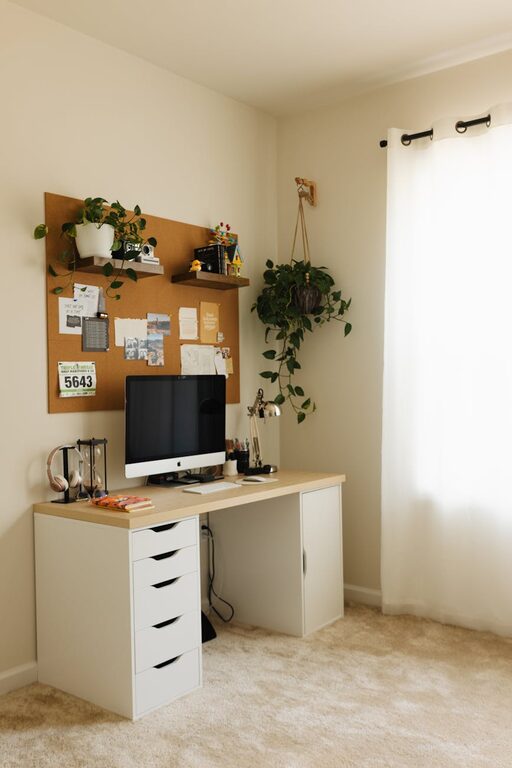
A cluttered desk can cause mental clutter. Only keep daily essentials like your computer, notebook, and a few pens within reach. Store other items away in drawers or shelves.
Use Storage Solutions
Using organizers, shelves, and filing systems helps keep your workspace neat. Label containers to quickly find what you need and avoid accumulating unnecessary items.
Invest in Comfortable Furniture
Ergonomic Chair
Choose a chair that supports your posture and allows adjustments to seat height, backrest, and armrests. Sitting comfortably prevents back pain and improves focus.
Adjustable Desk
If possible, use a desk with adjustable height or consider a sit-stand desk. Changing your position throughout the day can reduce fatigue and increase comfort.
Personalize Your Space
Add Soothing Elements
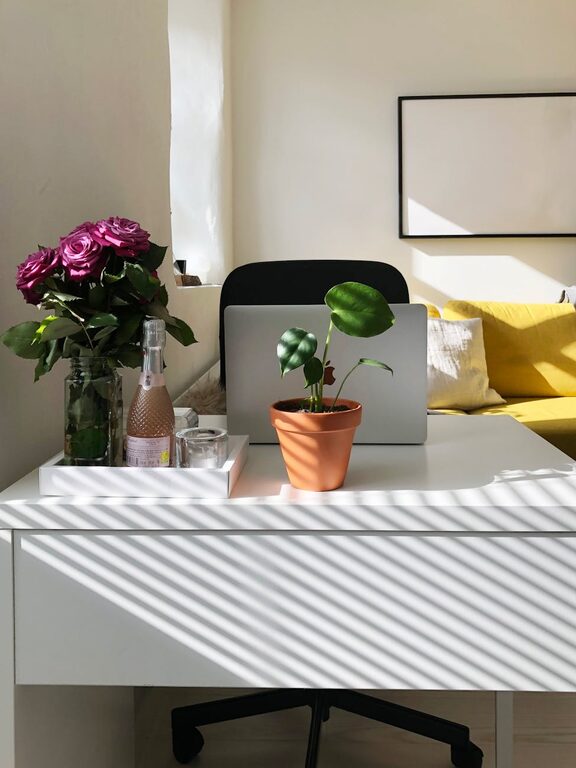
Incorporate elements that make you feel calm, like plants, soft lighting, or artwork. Greenery not only beautifies but also improves air quality.
Choose Your Colour Palette
Soft, neutral tones or pastel shades often create a more relaxing atmosphere than bright, intense colours. Pick colours that resonate with you and create a peaceful vibe.
Manage Noise Effectively
Soundproofing Tips
Use rugs, curtains, or cushions to absorb sound and reduce echoes. Consider noise-canceling headphones if you need complete quiet for concentration.
Play Background Music
For some, soft background music or nature sounds can boost focus and relax the mind. Choose calming playlists without sudden changes or distracting lyrics.
Optimize Technology Setup
Position Screen Properly
Arrange your monitor at eye level to prevent neck strain. Keep it about an arm’s length away and adjust brightness to match the room lighting.
Cable Management
Organize cables with clips or sleeves to avoid a tangled mess. This not only looks clean but also reduces accidents and distractions.
Establish a Routine and Take Breaks
Create a Work Schedule
Stick to consistent working hours to maintain a healthy work-life balance. Having a routine helps condition your mind for productivity when in your workspace.
Take Regular Breaks
Step away from your desk every hour for a few minutes to stretch or walk. Breaks improve circulation, reduce eye strain, and refresh your focus.
Maintain Air Quality and Temperature
Ventilate Regularly
Open windows or use an air purifier to keep fresh air flowing. Good air quality can increase alertness and overall well-being.
Keep Comfortable Temperature
Ensure your workspace is neither too cold nor too hot. Use fans, heaters, or adjust thermostats as needed to stay comfortable throughout the day.
Final Thoughts
Creating a relaxing home workspace takes some effort but pays off with greater comfort and productivity. By choosing the right location, organising efficiently, investing in ergonomic furniture, and personalizing your area with calming touches, you can enhance your work experience significantly. Remember to also manage noise, technology, air quality, and take breaks regularly. A thoughtfully designed workspace supports both your professional success and personal well-being.