Creating a productive home office environment is essential for anyone working remotely or spending significant time at home on professional tasks. A well-organized, comfortable, and inspiring workspace can help improve focus, reduce stress, and increase overall efficiency. In this post, we’ll share practical tips to help you design a home office that supports your productivity and well-being.
Why a Good Home Office Environment Matters
Working from home offers flexibility, but it also brings challenges such as distractions, discomfort, and blurred boundaries between work and personal life. Establishing a designated, thoughtfully arranged workspace can help combat these issues by signalling to your brain it’s time to focus and keeping work materials organized.
—
Choose the Right Location
Consider Natural Light and Quietness
Aim to set up your home office in a spot with plenty of natural light. Sunlight helps reduce eye strain, boosts mood, and improves alertness. If natural light is limited, opt for full-spectrum lighting that mimics daylight.
Pick a quiet area away from high-traffic zones in your home to minimize noise distractions. If that’s not possible, noise-cancelling headphones might become an essential tool.
Separate Your Office from Common Areas
If you can, avoid setting up your workspace in shared living rooms or bedrooms. Having a dedicated office space helps create mental separation between work and leisure, making it easier to “switch off” after work hours.
—
Invest in Comfortable, Ergonomic Furniture
Desk
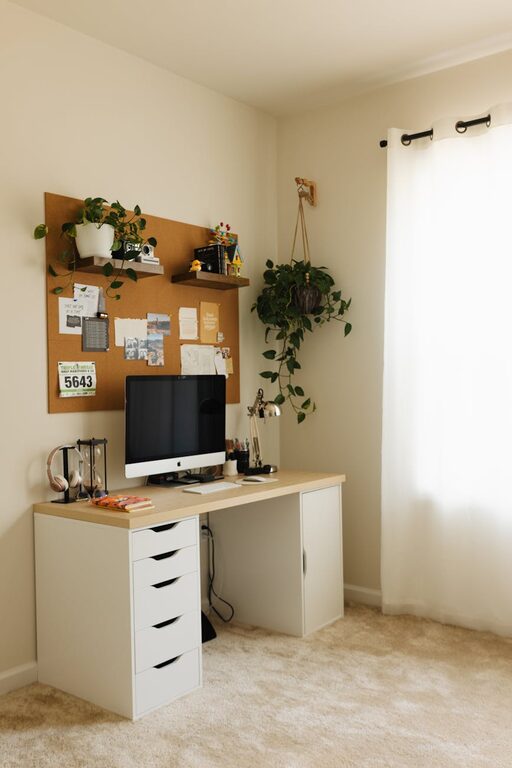
Choose a desk that fits your space and suits your work style. If you use multiple monitors or need space for documents, a larger surface is beneficial. Consider adjustable desks that allow you to alternate between sitting and standing.
Chair
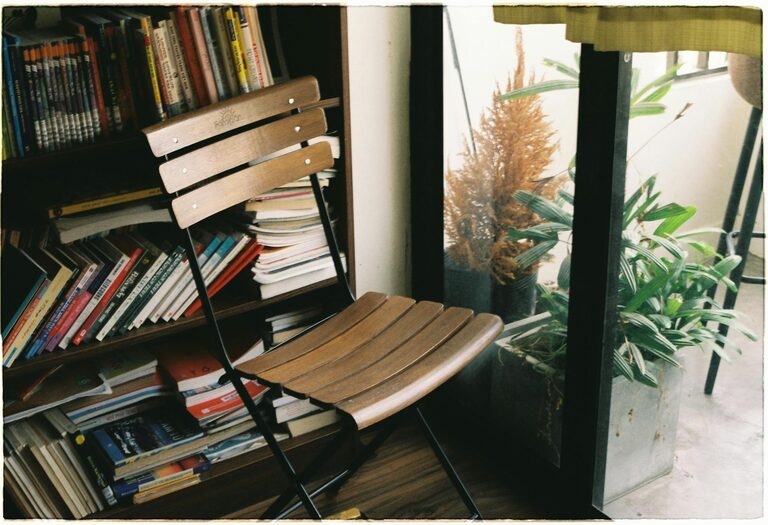
A supportive, ergonomic chair is key to maintaining proper posture and avoiding back pain. Look for chairs with adjustable height, lumbar support, and comfortable cushioning.
Accessories
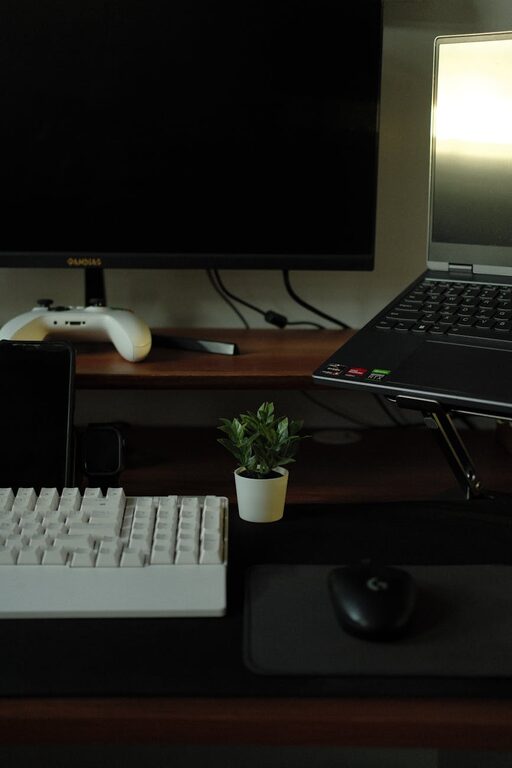
Ergonomic accessories like keyboard trays, monitor stands, and footrests can further enhance comfort and reduce strain during long workdays.
—
Organize Your Workspace Effectively
Declutter Regularly
A cluttered desk can cause stress and decrease productivity. Keep only the essentials on your desktop and find storage solutions for other items.
Use Storage Solutions
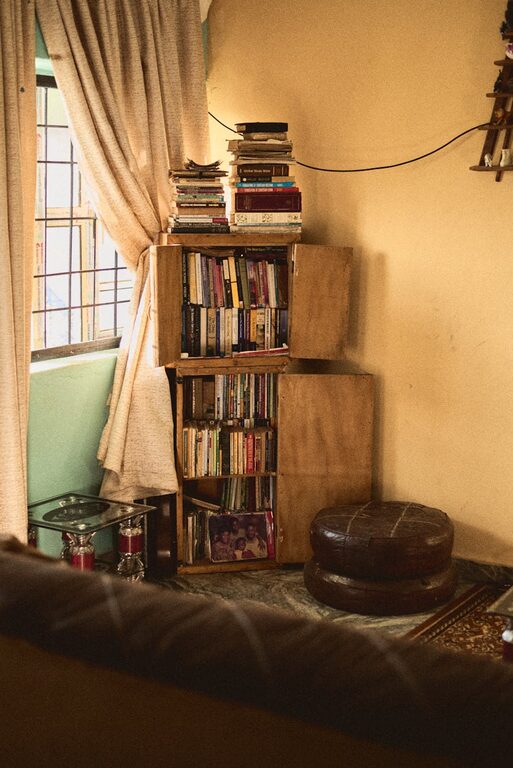
Shelves, filing cabinets, and desk organizers help keep paperwork, stationery, and gadgets tidy and accessible.
Cable Management
Messy cables can be distracting and hazardous. Use cable clips, sleeves, or boxes to keep wires neat and out of the way.
—
Optimize Lighting and Screen Setup
Proper Lighting
Besides natural light, ensure your office has adequate task lighting. Desk lamps with adjustable brightness and direction help reduce eye strain.
Screen Position
Position your monitor at eye level about an arm’s length away to avoid neck and eye strain. Use a monitor stand if needed.
—
Minimize Distractions
Set Clear Boundaries
Communicate your work hours to family members or roommates and establish signals to indicate when you should not be disturbed.
Limit Digital Interruptions
Turn off non-essential notifications during focused work periods. Consider productivity apps that block distracting websites temporarily.
—
Incorporate Personal and Motivational Elements
Making your workspace pleasant can boost motivation. Personalise your office with plants, artwork, or photos that inspire you—but avoid cluttering the space.
—
Maintain a Healthy Work-Life Balance
Take Regular Breaks
Use the Pomodoro Technique or set reminders to stand up, stretch, and rest your eyes. Breaks improve focus and reduce fatigue.
Define Start and End Times
Stick to consistent work hours to maintain routines and help separate work time from personal time.
—
Keep Your Workspace Clean
A clean office boosts mental clarity. Wipe down surfaces regularly and keep trash bins handy to avoid buildup of dust and debris.
—
Conclusion
Designing a productive home office is about creating a space that supports your workflow, comfort, and focus. By choosing the right location, investing in ergonomic furniture, organising effectively, and minimising distractions, you set yourself up for success when working from home. Remember, the best home office is one that fits your individual needs and encourages a healthy balance between work and relaxation. With these tips, you can create an environment that helps you stay motivated and productive every day.