
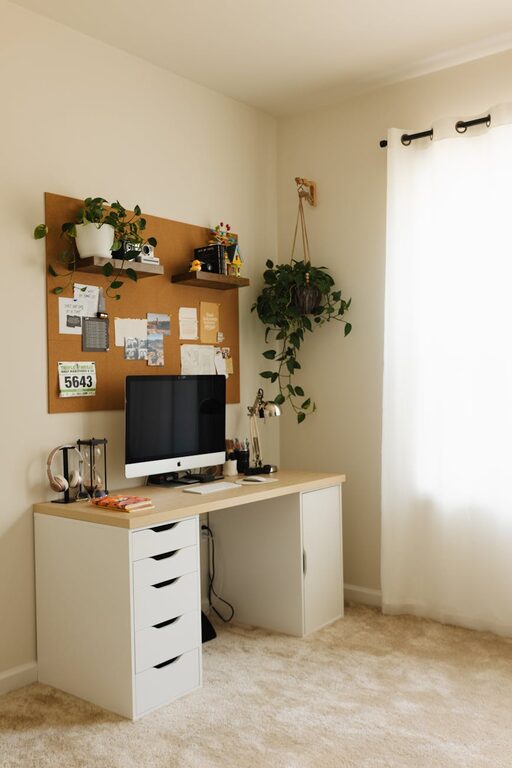
Creating a home office that strikes the perfect balance between coziness and productivity can transform your work-from-home experience. A well-designed workspace boosts focus, reduces stress, and encourages creativity. Whether you have a dedicated room or just a small corner, these tips will help you craft an environment where you can work comfortably and efficiently.
1. Choose the Right Location
Finding the right spot for your home office is the first step. Ideally, it should be a quiet place with minimal distractions.
– Natural light: Position your desk near a window to enjoy daylight, which can enhance mood and energy.
– Away from noise: Avoid high-traffic areas or spaces close to noisy appliances.
– Privacy: If possible, choose a room with a door to separate your work from home life.
2. Invest in Comfortable Furniture
Comfort plays a vital role in productivity since you’ll spend hours at your desk.
– Ergonomic chair: Select one that supports your lower back and encourages good posture.
– Adjustable desk: A height-adjustable desk allows you to switch between sitting and standing, boosting circulation and comfort.
– Spacious desk: Ensure your desk has enough space for a computer, notebook, and other essentials without clutter.
3. Optimize Lighting
Aside from natural light, proper artificial lighting minimizes eye strain.
– Task lighting: Use a desk lamp with adjustable brightness focused on your work area.
– Ambient lighting: Soft overhead lights create a welcoming atmosphere.
– Warm tones: Opt for warm-white bulbs (around 2700K–3000K) to make the space cozy but not too dim.
4. Keep It Organized
An organized workspace helps clear your mind and improve workflow.
– Storage solutions: Use shelves, drawers, or filing cabinets to keep documents and supplies neatly stored.
– Cable management: Use clips or cable organizers to avoid tangled cords.
– Declutter regularly: Make it a habit to tidy your desk at the end of each day.
5. Add Personal Touches
Personalizing your office can make it a place you look forward to working in.
– Greenery: Plants add freshness and improve air quality. Small potted plants or succulents require little care.
– Artwork and photos: Hang pictures or art that inspire you or bring you joy.
– Decorative items: Choose a few meaningful decorations, but avoid overcrowding to keep distractions minimal.
6. Incorporate Sound Control
Noise can disrupt concentration, so managing sound is key.
– Soft materials: Rugs, curtains, and cushions absorb echo and soften noise.
– Noise-cancelling headphones: Great for blocking out disruptive sounds.
– White noise machines: These can mask distracting background noises without adding distraction.
7. Manage Technology Wisely
Technology is essential but can also cause headaches if not organized properly.
– Reliable internet: Ensure your connection is strong enough for video calls and online work.
– Efficient equipment: Use tools and gadgets that meet your work needs without unnecessary complexity.
– Regular updates: Keep software and hardware updated to prevent disruptions.
8. Create a Routine-Friendly Setup
Your physical environment should support your daily work routine.
– Designate zones: If space allows, separate areas for computer work, reading, or brainstorming.
– Easy access: Keep everyday items like pens, notebooks, and chargers within reach.
– Comfort breaks: Include a comfortable chair or small spot where you can pause and relax briefly.
9. Pay Attention to Air Quality and Temperature
Your comfort extends beyond furniture and decor.
– Ventilation: Keep windows open when possible for fresh air.
– Air purifier: A small air purifier can help reduce allergens.
– Temperature control: Maintain a comfortable temperature with fans or heaters as needed.
Final Thoughts
Creating a cozy and productive home office doesn’t require major renovations or expensive items. With a bit of planning and thoughtful choices, you can set up a workspace that supports both your wellbeing and your work goals. Remember, your home office should feel like a place where you can focus, create, and feel good throughout the day. Start with these tips, and adjust as you discover what works best for you. Happy working!